Your pantry should answer dinner.
A simple system for using what you own, understanding package dates, wasting less food, and keeping useful meals on hand.
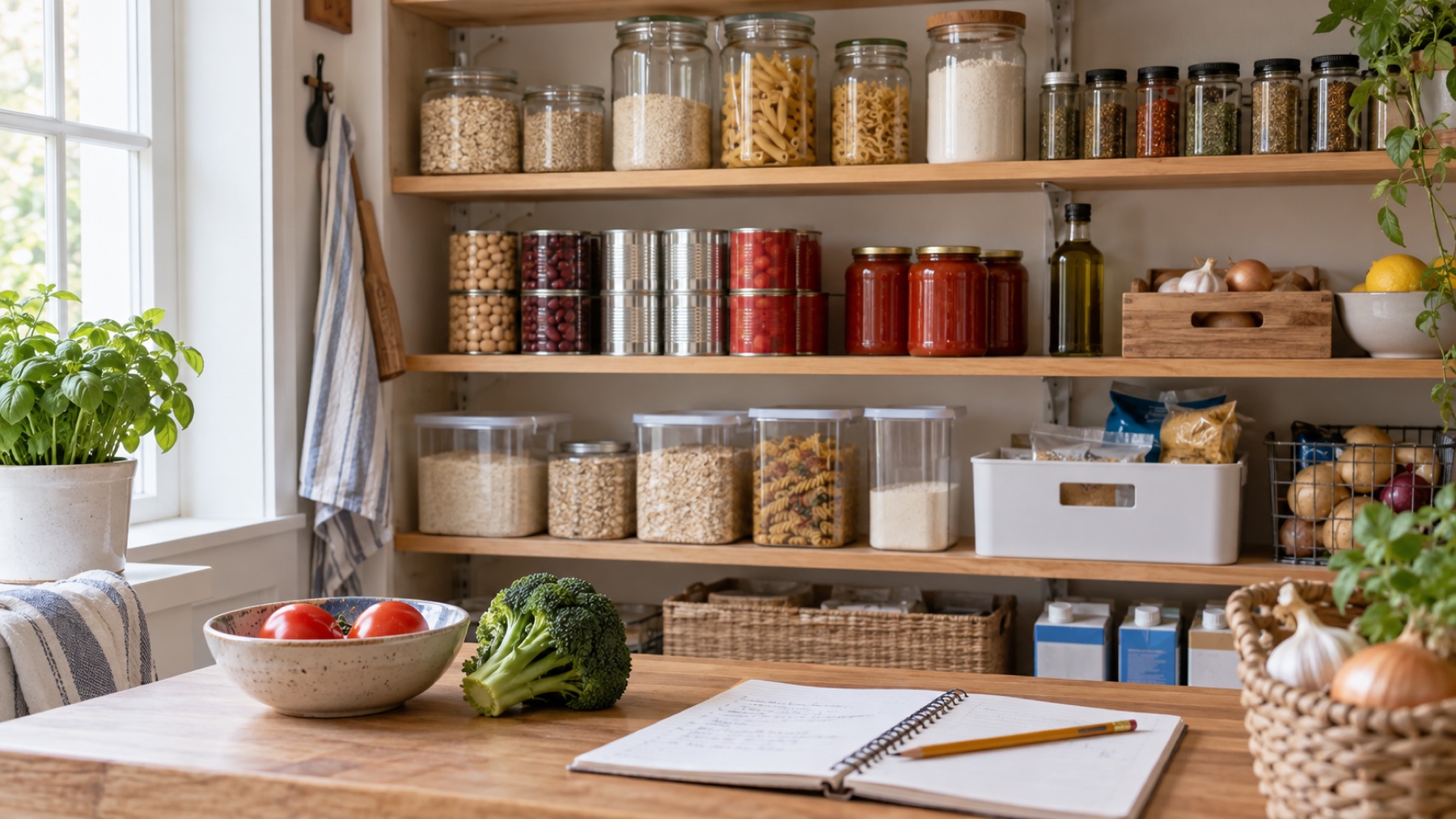
Seven useful pantry decisions
Current food-waste discussions keep circling the same problem: people own ingredients, forget them, buy duplicates, and still cannot see a meal.
Build an allergen-aware emergency pantry
Map three complete meals to exact labels, water, tools, household needs, lot codes, and an offline care plan.
Build the label-safe map →Holiday meals · Food safetyHow long do Thanksgiving leftovers last?
Start a two-hour packing clock, use a four-day refrigerator plan, freeze on time, and reheat portions to 165°F.
Open the four-day plan →Meal planning · Price trackingBuild a five-meal pantry buffer
Price five complete dinners, set small reorder points, and keep every package tied to a meal.
Build the buffer →System · 10 minutesThe pantry-first weekly reset
Choose what to use soon, build three flexible meals, then buy only the missing links.
Run the reset →Labels · SafetyWhat does that package date mean?
Separate quality dates from safety decisions and know when condition matters more than the calendar.
Read the label →Outage · No-cookPlan pantry meals for a power outage
Protect cold food first, then use a small shelf-stable menu that fits your water and cooking limits.
Make the plan →Recalls · Exact matchDoes the recall actually include your package?
Compare the product, size, UPC, lot, date, and distribution details before acting.
Run the check →See it. Use it. Replace it.
- Check the refrigerator, freezer and pantry before choosing meals.
- Move opened, older and short-dated foods to one “use first” area.
- Plan flexible meals around those foods and household preferences.
- Add only missing ingredients and proven staples to the shopping list.
- Keep one complete, label-checked meal mapped to each household dietary need.